Blog

Why bottling up your emotions is bad for your health

New research shows the negative consequences of  bottling up our emotions. If your partner has done something to really upset you and you bottle it up-you are much more likely to be aggressive.
  If you’ve had a bad day at work and you suppress your emotions you can come home and take it out on your partner.
 Even Freud talked about this…


Another study shows that suppressing emotions can take years off your life. This study asked participants questions such as “I try to be pleasant so that others won’t get upset” and “When I’m angry I let people know.”


When the survey was repeated ten years later it was found that premature death rates are the highest amongst those that bottle up their emotions. 
Researchers guess this causes early deaths– perhaps because people use drugs, smoking, drinking or over eating as coping mechanisms for their suppressed emotions.  Perhaps the stress of bottling up emotions disrupts hormonal balances leading to illness and damage to the immune system.

Suppressing our emotions can shut down and close our partners out. We might not mean to do it or even want to do it but it could be a learned behaviour from our parents or our own attempts to avoid conflict. Sometimes we can’t cope or deal with an emotionally painful scenario because of we are paralysed by fear.

We can bury emotions down deep inside where they “rot.” This “fermentation” can seriously harm relationships and cause resentment.

“Buying peace” at any cost creates deep unhappiness. 
Swallowing down our hurt, bubbles up later in negative ways and manifests itself;

  • in low self esteem
  • unconsciously hurting and punishing our partner
  • internalising our pain so it turns into self destructive behaviour
  • venting about your partner
  • losing patience for your partner at little things etc.

We can try to avoid feeling our emotions through;

  • denial
  • compulsive behaviour such as over eating/working or sexual activity or drug abuse
  • addiction to pornography/intimacy avoidance
  • keeping excessively busy as a defence mechanism etc.

We use  many unhealthy techniques to help us repress our feelings. Learning to identify these emotions and releasing them can help improve and enhance our relationships. 


We can reverse emotional suppression.

I’ve helped many couples adopt new, healthy emotional communication styles. Telling our partner how we feel emotionally can open the gates of communication and help us feel more grounded. Learning how not to run away from our emotions and numb out the pain can force us to step out of the victim role and into a place of self responsibility.
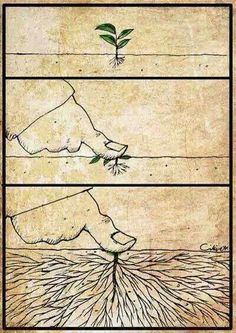
I teach clients to identify how we feel. Ask yourself; What do I feel right now? Write the answer in a journal. Notice what tension you are feeling in your body when you feel certain emotions. Rather than rushing for the junk food/wine/cigarette or your own individual crux, notice the feeling in your body and the source of the emotion and work on that instead.

Try telling your partner, “I feel hurt because….” rather than bottling it all up can help start opening up the cork on your emotional bottle.

Come see me for confidential, open minded therapy to learn more techniques to improve your health and your relationships.


Cat O Dowd


Relationship Counsellor- Sex Therapist- Art Therapist

Role Play for great sex

Imagine you’re being interviewed for a job as a personal assistant in a big office. Now pretend your lover is the boss. They close the door. They walk very close to you as they walk back to their chair and you feel giddy. You suddenly want to do anything to please them; whatever it takes. They need you to work back very long hours under their strict eye. You must relinquish all control and do everything they say. His or her eyes trail down your body. You will have to do a lot more than just filing and you feel your heart rate increase and your face flush with excitement.


Sexy role play helps to liven up sex, heighten intimacy, increase confidence and to drop our inhibitions.


Role play goes straight to the biggest sexual organ in our body- our brain. Our mind needs to be stimulated and silenced at the same time for great sex. It’s this delicate balance that role play games can bring about.
This fact is why Viagra can fail so many couples.
 Viagra only increases blood flow to the genitals and sex is much more than engorged genitalia. Disgruntled wives returned to Doctors complaining hubby demanded sex because he had an instant Viagra raging erection but it didn’t solve any of their broader relationship problems. Viagra didn’t touch their minds.


Getting in the mood for great sex starts with connection, seduction, anticipation, wanting, flirting, teasing, communication, atmosphere, fun, foreplay, imagination and intimacy.

Role play fantasy scenarios invigorate our imagination and lead to very creative love making where we can play out another aspect of ourselves.

Clothes can stay on. It can start with just words.. Once clothes eventually come off you can be so aroused that your body image worries fade away. 
Roleplaying can lead to a greater build up of sexual tension and desire and help you break out of the formulaic—“you do this, then I do this” sex. Boring and uninspired sex can stagnate a relationship.

Try this role play with your partner.

Who wants to play boss and who wants to play secretary? Notice who gravitates naturally to each role.

What is it about this fantasy or one of your own that appeals to you?

Does the idea of being in control and being the boss or being the dutiful, willing and eager junior turn you on?


You could set up a desk and dress in office clothes and re-enact it at home. Perhaps you could arrange to meet in a crowded cafe for the “interview.” You both have to stay in character the whole time. A public area means you can’t touch each other until you get home thus increasing the sexual

anticipation.

Don’t worry about whether your role play is PC or not. As long as our fantasies are negotiated and consensual then try not to over think them.

As children we played “pretend” games and we lose touch with that make believe world as we grow up. Don’t let go of that fertile land of the active imagination. A couple that plays together stays together. Stay consensual, respectful and debrief. There’s tonnes more I could say about this but I’ll leave that to our sessions!

Get in touch if you’d like to learn more or if you want to bring the va va voom back into your relationship.

Myth: The goal of sex is to have an orgasm.

There is no “right” time or way to have an orgasm..

Being in touch with your lovers body and enjoying the sensations without focussing on the end result can be liberating. Once we abandon these goal oriented ideas we can experience each moment with less pressure and performance anxiety. If an orgasm does not occur, sex can still be an enjoyable.

Let’s focus on the journey more than the destination.

MYTH: Only men have nocturnal orgasms

Not true! Nocturnal orgasms are a completely normal and common incident for men and women.

This myth may exist because our society talks about male sexuality as more uncontainable and unstoppable. According to this myth male orgasm occurs effortlessly but the female orgasm is portrayed as illusive and something that takes a lot of hard work.  Men who struggle to have orgasms and women who can masturbate themselves to an orgasm in a few minutes destroy this myth!

Like female ejaculation, female nocturnal orgasms were discovered, recorded then forgotten about back in history. Our sex education curriculum often only references male orgasm (nocturnal or otherwise). I remember no mention of female orgasm at all at my school and I can take a safe guess that your school didn’t teach you anything about girls having wet dreams either!

Kinsey’s research found over 60 years ago that 37 per cent of women had night orgasms and recent research reveals that more women have nocturnal orgasms than we thought. Female orgasms while sleeping might be more common than recognised – studies have found some women underreported their nocturnal orgasms because of their own social and cultural beliefs.

This sex myth busters was published in a 2013 edition of Ciao magazine.
If you’d like to transform your ecstatic and orgasmic potential then get in touch today and book a confidential skype or in person session!

MYTH: Women have a lower sex drive than men

It’s myth busters time again! The idea that women have a lower sex drive than men is a BIG MYTH!
Several studies have shown that the partner least interested in sex can be equally the man or the woman.

A recent survey found 62 per cent of men turn down sex more frequently than their female partner, with a third admitting they had lost their sex drive. Doctors talk about the rising numbers of men with low libido that they treat; citing stress, illness, money worries, diabetes and obesity as well as lowering levels of testosterone as causes. Large studies done in America show that in every decade there’s a decrease in testosterone levels by as much as ten per cent.

History illuminates our changing sexual beliefs. In medieval times, women were believed to have the bigger sex drive and be more lustful than men. Women’s ability to bleed monthly, give birth and have multiple orgasms were cited as proof of their animalistic sexual urges that were seen to be more out of control than men. Women were thought to be more susceptible to material and fleshly experiences, and more likely to be inhabited by evil spirits.

(This appeared in a 2013 article busting sex myths in Ciao magazine.)
Please get in touch today if you or your partner struggle with low sex drive.

Guide to better loving

See Sex as fun and playful.
Sex doesn’t have to be serious and grim and it’s not the end of the world if something “embarrassing” happens. Just throw your head back and laugh! Be silly and have fun! It’s better to have tried something new and it didn’t work out than be stuck in a safe, predictable, boring sex routine.


Practice Sexual Communication.
Your partner isn’t a mind reader. If something feels good, say so “I like that” or make encouraging noises. Explain what you want, need and like.

Be Open and vulnerable.
Lower your defences, don’t take rejection personally and let go.

Surrender yourself to the feelings of pleasure-rather than just the pursuit of an orgasm.
Try viewing sex as more of an intimate connection than a performance sport. The more you focus on the feelings, the less you’ll “spectator” yourself and criticise your body, appearance or what you’re doing “wrong.”

Marvel at your own beauty and sexual potential!

Connect in with your own self love and self pleasure so that you can value and appreciate yourself as a sexual being. Understanding how to pleasure yourself means you can show your lover how you like to be pleasured, and can help improve your self esteem and body image. Isn’t it incredible the pleasure your body is capable of giving yourself and others? Don’t compare your body to the plastic, airbrushed media ideals. Body size fashion changes throughout the centuries depending what product or idea is being sold, so try not to let yourself get caught up in it. Embrace your body-flaws and all. If you feel sexy about yourself, sex is better!

Make Intimacy a Priority.

Turn off your iPhone, iPad, video game, TV and make time for your lover. Actively invest in your sex life by scheduling times for sex and a regular date night once a week just for you and your lover and no one else. In our busy, fast paced lives, sex often needs to be planned in advance. It can still be spontaneous and exciting, just make time for it.

More Foreplay!

In and out of the bedroom. Foreplay doesn’t just have to be what happens when you are naked just before sex, it can be everything you say to your partner during the day. It can be an all day exchange of sexy text messages telling each other everything you plan on doing to each other when you get home. It can be sexy words whispered into your lovers ears as you leave the house. It builds suspense, anticipation and excitement for explosive sex!


Embrace your sexual power.

We can be brought up with so much shame around sex! For instance, words like sex or genitals are bad, dirty and rude that one should be embarrassed about.. I’m always facinated by the Victorian ideals that still influence our ideas about sex. Try to imagine instead, that you were brought up with the idea that your sexuality is a natural and healthy part of yourself that can be manifested in a creative, loving and mindful way to enhance your life, creativity and relationships.

Get in touch today if you’d like to learn more about embracing your sexual power.

Relationships are not products and love cannot be caught.

Relationships are not products.
What online dating apps, pick artists books and commitment trap programmes are doing to dating..

“We turn wimps and geeks into supercharged macho studs!!!”
Pick up artist products lure men through promising multitudes of sexual partners and the “‘cost-benefit’ analysis of casual sexual hook ups without the supposed “hassles” of relationships or commitment.
Relationships are depicted as games of instant gratification and women as exploitable commodities.

Women are sold equally gender stereotyped products guaranteeing; You Really Can Capture His Heart And Make Him Love You Forever!” … This sells women the idea that men are naturally scared of relationships and need to be manipulated into a relationship!

However this promise to “capture love” sells a flawed premise.
You can’t capture love and you sure as hell can’t force anyone to love you. True love is freely given without games or manipulation. It is a gift not an obligation.

Online hook up apps can give the illusion that there’s a perfect person out there for us– when in reality a relationship is two imperfect people coming together to create a sanctuary of love in this rollercoaster world we live in.

Our culture has unreasonable expectations that the “perfect love” happens without work or effort and our true “soul mate” will naturally fulfil all our desires.

Think of all the work and effort that it takes to perfect the playing of a musical instrument.. Relationships are the same. We don’t just naturally wake up and know how to play the violin! We have to practice and practice and learn and grow and perfect our skills until we get better and better! At first when we pick up that violin it might sound like a cat scratching a tin roof!  We benefit from the help of a music teacher, just like how I help my couples and single clients improve their relationship skills and over time we get better.  We definitely don’t just find the perfect violin in a shop that means we don’t have to have lessons, read music or even practice anymore!

So much choice so why settle down?

Apps can bombard us with so much choice it can feel like a sacrifice to give up options and settle with just one. You know when you’re at the salad bar and there’s so many delicious options you worry that your choice isn’t right and perhaps you preferred the others? Or you keep browsing and taste testing, hoping to find the perfect one in a perpetual cycle of dissatisfaction? I’ve done this before!  You’ll send yourself bananas on the eternal quest to find the perfect meal or the perfect partner.
Choice doesn’t necessarily equal good! Commitment phobic types can stay in this state for a very long time. Never settling down as soon as they notice their partner has flaws. Some of these types can put their partner up so high on a pedestal that they just can’t cope when they realise  that this idealised vision is just a human with warts and all. But more about this type of love later.

“Consumer dating” encourages us to look at potential partners as disposable products. People are not products.

Mature love involves commitment, true intimacy and meeting anothers emotional, mental and physical needs. Those terrified of true intimacy can perpetually hide in the world of “hook ups” that can act as a protective defensive mechanism to being hurt.

My Partner Isn’t Perfect!

People can become so highly critical of their partners that they will never ever be satisfied. 
Sometimes once we know our partner is committed to us (the idealised honeymoon phase) we can start trying to change them into our version of the “perfect partner” who is better suited to our own selfish needs. 
This is the “power struggle” and second phase of the relationship, where you might obsess over all your differences with your partner whereas before you mainly noticed the similarities.


Rather than obsessing on everything that is wrong with your partner, try focussing on how you can improve yourself and what you bring to the relationship. A relationship is the combined work of two people together. It’s not a passive process of ordering what you want from a menu, scrutinising it for flaws and returning it for a replacement when flaws are detected or boredom sets in.


I see clients who begin relationships preoccupied with; “What can I do for my lover?” which transforms over time into: “What am I getting out of this person and this relationship?”
 Remember to accept difference, embrace compromise and work on unconditionally loving your partner as a complete package-flaws and all.

This article appeared in CIAO magazine and was designed for people in non abusive relationships. If you are worried you are in an abusive relationship then please get in touch..

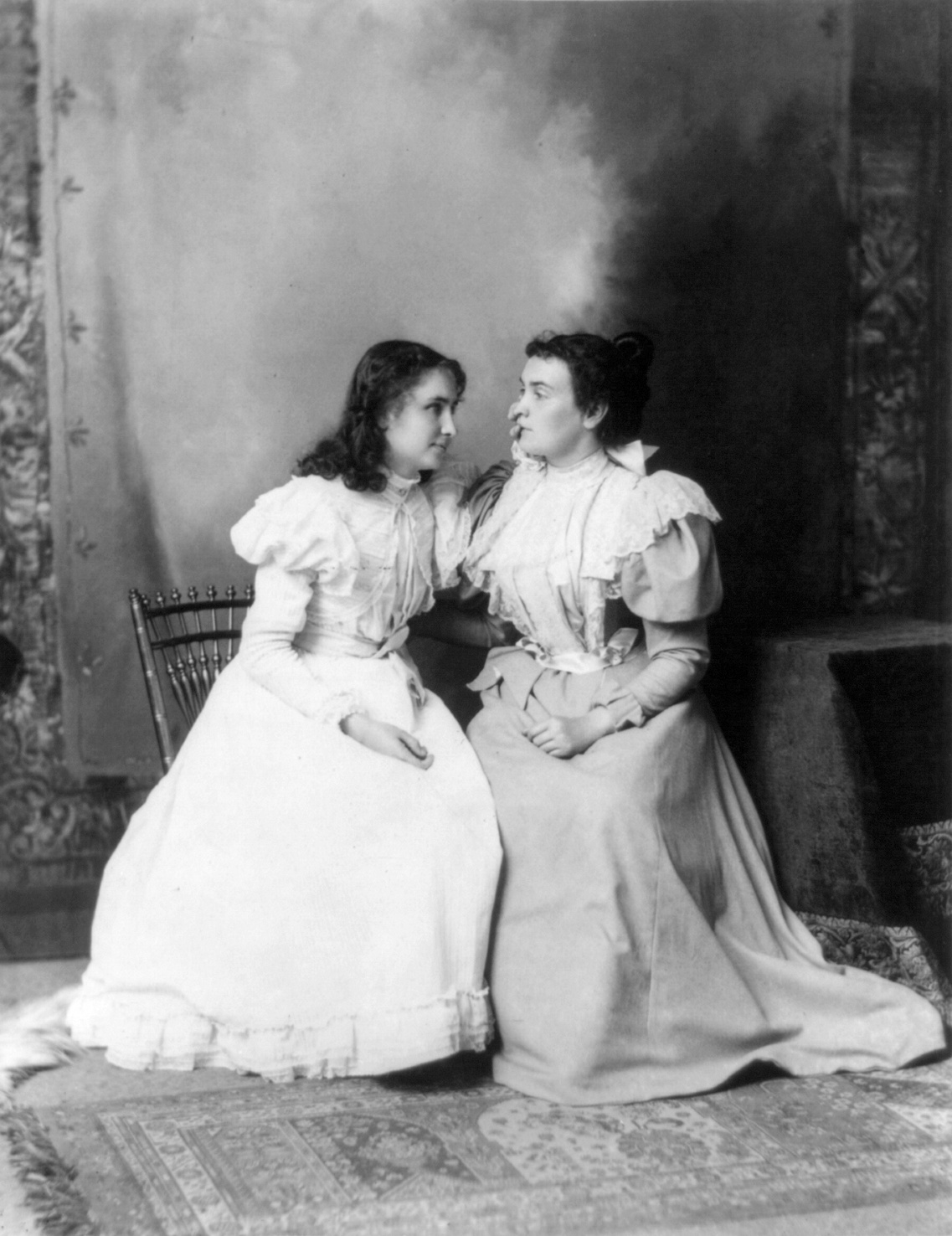
What are you learning from the challenges and hardships in your life right now?

“We could never learn to be brave and patient if there were only joy in the world.”
Helen Keller

What are you learning from the challenges and hardships in your life right now?

I’m learning huge lessons in patience, compassion and acceptance.

A crisis has the potential to be a gift aswell as a diaster.

I can see that to be happy it is so important to continually live in the present and keep refining those skills all the time.

I love swimming in the ocean so it makes sense to explain it like this. When a huge wave comes at us in life we have two choices. We can struggle against it and be dumped and submerged- often ending up bruised on the ocean floor with lungs bursting for air- or we can accept that it’s coming and try to go with it.

A good surfer knows that when a huge dumper wave has got you in its grips you will lose too much energy and oxygen if you wildly thrash about and try and resist it. You could end up drowning or end up far out to sea. You have to let yourself go and let the wave take you until it passes over.  This means you’ll make it back to the surface with enough air in your lungs.

Sometimes in life really big things come at you and you have to accept that’s what’s happening and let it pass. Being reactive and struggling angrily against it won’t help and will exhaust you even more. When we are faced with relationship struggles we can easily try and flail in that big wave rather than taking a moment to just breathe and feel. Just tuning into our breathing can help immensely.

A towering wave can make us feel powerless and paralysed with fear and anxiety. Learning to control and release those feelings can help us cope with the “big waves” of life, in a similar way a surfer tunes into their natural instinct and intuition to the rhythm and flow of the ocean. Experiencing trauma and abuse can keep us imprisoned in a reactive and fear based mindset. Learning to change this can benefit all aspects of our lives, including our intimate relationships.

What about you?

I wanted to reach out and let you know there’s always help.

Get in touch if you’d like to learn more about how be empowered by life’s challenges rather than swamped by them or if you want to live free of being a prisoner of anxiety, fear or trauma. I would love to hear from you!
I see my clients via skype, phone or in my therapy rooms in the Sydney CBD. Concession rates available.

https://creativesexpression.com/book-a-session/

Catherine O Dowd

Therapy with Soul

Last night I ran my first transpersonal art therapy group. I felt honoured to have an incredible bunch of curious, brave and present men and women and I’m so excited about the next month of Wednesday workshops! We spent two hours together and I guided the group through various processes that take us deep in our unconscious minds. My participants were leaving their rational minds and the world of their ego and journeying deep within their inner world of intuition and inner wisdom. The images that came to them whilst deep in a guided meditation or that tumbled out onto their art paper came from  their unconscious. Journeying into the unconscious in a supported and therapeutic setting is a powerful experience. It’s like dreaming whilst awake and the images we receive can tell us so much about what we need to know. Carl Jung might say these images came from deep within their soul. elihu-vedder-soul-in-bondage Carl Jung said we lived in a time of radical materialism where the only the material aspects of life are acknowledged;

“Under the influence of scientific materialism, everything that could not be seen with the eyes or touched with the hands was held in doubt; such things were even laughed at because of their supposed affinity with metaphysics. Nothing was considered “scientific” or admitted to be true unless it could be perceived by the senses or traced back to physical causes.”

You can see how modern day psychology sees the world through this material and rational paradigm without a thought to the care of the soul. The word psychology originates from the word ‘psyche’ which means the human soul or spirit. Psychology originally meant the care of the human soul. Jung talks about how we have created a new “soul-less” psychology.

“It was universally believed in the Middle Ages as well as in the Greco-Roman world that the soul is a substance. Indeed, mankind as a whole has held this belief from its earliest beginnings, and it was left for the second half of the nineteenth century to develop a “psychology without the soul.”

We have moved so far away from soul informed psychology that we hardly understand what a soul  is anymore. The soul is not as complicated as New Age theories would have us believe. The soul is the archetypal life of the imagination and can be glimpsed when stepping outside of the materialistic perceptions of the world. Jung spoke of everything that happens in the physical and material world first originates from the soul. Healing occurs in the soul and then manifests in the body. In last night’s guided art therapy group my clients were using creativity to delve deeply into their unconscious to bring back archetypal truths and symbols from different levels of their psyche. Jung said that the transpersonal unconscious has at its disposal “all the subliminal psychic contents, all those things which have been forgotten and overlooked, as well as all the experience of uncounted centuries laid down in it’s archetypal organs.”

Creativity and hypnosis like exercises can access these hidden parts of us that hold the insights we so desperately seek. A good way to understand it is to imagine yourself standing at a well. When you are standing at the well you are in your conscious mind. However most of our decisions are not made from our conscious mind. Freud said we made most of our decisions from unconscious urges and recent scientific studies have confirmed that. Deep down in the well is the river of your unconsious mind or your inner world; the world of your dreams, nightmares, your deepest fears, memories, repressed emotions and desires.. Accessing this part of our life is life changing and can “unblock” unhealthy patterns we have been repeating for years.

My next workshop is on this Wednesday the 15th of April.. “Beyond the Pleasure Principle.. balancing our sexual and creative energy with our dark destructive and self sabotaging death drive!”
Fill out the contact form here to book your place. Places are limited to ten so hurry to avoid disappointment.

I look forward to seeing you soon!

What is Consent?

Check out this new video made in America for college students. Latest research has found that one in five women may be sexually assaulted during college years and 40% of men admit to using coercive methods.

Consent is  permission for something to happen or agreement to do something.

Consent to sex is when you freely and voluntary agree to engage in sexual activity. This means communicating yes on your own terms.


What is not consent; silence, being passed out, fear or being made to feel too scared to say no.

You’ve probably heard, “no means no” before. Just relying on hearing the word “no” isn’t enough because there are many other ways to communicate no. A person doesn’t have to scream, kick you away or run off to communicate ‘no.’ It can also be freezing up, rolling away, silence or saying they’re too tired, tensing up, not moving, stiffening of muscles. Sometimes people don’t feel like they can say no even though they want to.


images

One of the best ways to know for sure that someone is consenting is to ask questions like;

  • Are you happy with this?
  • Is this okay?
  • Do you want to stop?
  • Do you want to go further?

If you find yourself in a sexual situation that you’re not sure about and you don’t know how or don’t feel safe to say no, then trying saying;


  • Can we stay like this for while?
  • Can we slow down?
  • I want to stop
  • I only want to kiss/hug etc for now..

You have not consented to sex if;

  • you were asleep or unconscious, or had been drinking or taking drugs and were not aware of what was going on.
  • you are in a relationship and said ‘no’ to having sex.
  • Someone put drugs in your drink and you were not aware of what was going on.
  • The perpetrator used or threatened to use force against you or someone else.
  • The perpetrator bullied you, for example, by threatening to leave you in a deserted area at night.
  • You thought what was happening was for medical reasons, for example, if a health practitioner gave you an unnecessary and inappropriate examination.
  • The person held them against your  will by taking you away, keeping you somewhere, or locking you in a room.
  • You were afraid of the person and what they might do to you or someone else.


Coercion is used in manipulating people to have sex until they give in. Coercing someone into sex is sexual assault.  Examples of coercion are;

  • pressuring (e.g. repeatedly asking someone until they are worn down)
  • threatening (e.g. “I’ll break up with you if you don’t have sex with me”)
  • intimidating (e.g. smashing something when someone says “no”)
  • blackmailing (e.g. “I’ll tell everyone you’re gay if you don’t”)
  • guilt-tripping (e.g “If you really loved me you would have sex with me”)

Coercion is when the person is not given the space to freely say “no.”

Our society often doesn’t take consent seriously, just look at phrases like “playing hard to get.” If there’s no clear consent then it is sexual assault or rape.

If someone is kissing you or has gone back to your house it doesn’t mean they have consented to intercourse and they can change their mind at any time.

Under Australian law consent to sexual activity must be ‘free and voluntary’. There are certain instances where there is no consent to sexual activity, or where consent is vitiated. These are;

  1. lack of capacity to consent, including because a person is asleep or unconscious, or so affected by alcohol or other drugs as to be unable to consent;
  2. the actual use of force, threatened use of force against the complainant or another person, which need not involve physical violence or physical harm;
  3. unlawful detention;
  4. mistaken identity and mistakes as to the nature of the act (including mistakes generated by the fraud or deceit of the accused); and
  5. any position of authority or power, intimidation or coercive conduct.

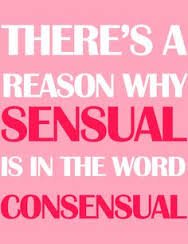
Consent is hot! Consensual sex is dam sexy! Understanding consent is important when we want to enjoy great sex and healthy relationships.

If any of this blog has brought up issues for you, please get in touch here for a chat. 
I look forward to hearing from you,

Blessings,

Cat