Disabling Sexual Stereotypes

Olivier_Fermariello_06

One in five people have a disability in Australia. Different prejudices exist around people who have a physical disability, are chronically ill, have an intellectual disability or mental illness. I bust some false stereotypes surrounding people with disability and sex.

MYTH: People with a disability have no sexual feelings, sexual awareness, sexual potency, romantic inclinations and cant have sex at all.

Think of Lady Chatterley who gets her rocks off with the gamekeeper because of her cripplehusband.

People with a disability are not asexual or sexually inadequate. They are sexual beings with needs and desires and have the right to explore and express their sexuality just like everybody else. They also have the right to consensual sex and to not have sex at all.

On that note, people with a disability experience the same diversity of sexuality as anyone else. Heterosexuality isn’t mandatory dont assume aspects of peoples identity based on your own preconceptions.

MYTH: People with disability have the sexuality of a child.

Infantilization denies the capacity for sexual desire by saying, You need to be cared for like a child.”  It denies the potential for independence. Its a distressing myth for people who are struggling already with loneliness and a lack of sexual fulfillment. This taboo about sex and disability is upheld in media representations. The fact you never see people with visible disabilities being sexual or in a relationship in a movie is another way disability is excluded from an essential aspect of life.

Olivier_Fermariello_05

MYTH: People with a disability have an animalistic, hyper sexuality and cannot control their predatory sexual desires.

This myth of sexual deviance has been especially used against vulnerable women with learning difficulties or mental illness. It has justified the abuse of women in institutions for hundreds of years. Women with disabilities still experience the highest sexual assault rates of any demographic in Australia, unfortunately reasons for this include difficulty in reporting sexual assault, incredulity in sexual assault claims, reliance on the perpetrators for other aspects of care as well as a lack of sex education.

MYTH: Women with a disability have no sexual needs whereas men do.

Much of the focus on sex work for clients with disabilities focuses mainly on mens needs. Women have sexual needs too. Research shows that young women with disabilities often have less space to discuss their sexuality as a teenager than young men. Some disability advocates say that encouraging men to see sex workers only commodifies their sexuality, telling them that the only way theyll have sex is through paying for it. They believe addressing broader social changes that fight for their sexual birthright are more important. Recognition of queer identities in advocacy for people with disabilities is important too.

 

Olivier_Fermariello_12

MYTH: If they cant have penetrative sex its not real sex.

Sex is about intimacy, closeness, connection, sensuality and exploration. It encompasses more than limited definitions of sex as the penis goes into this opening or the genitals clanging together. All people have multiple erogenous zones, which can be explored with much more than a penis!

People with chronic pain have used sex as a painkiller, BDSM has potential to heighten intimacy for people and sex is about so much more than penetration..


Photographs by Italian photographer Olivier Fermariello from his series on the private and sensual life of disabled people; “Je t’aime moi aussi.”
Shame game

Here’s my column for Ciao Magazine from October 2015..

MirandaDevineDomesticViolence-619-386

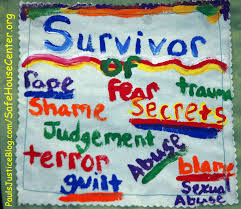
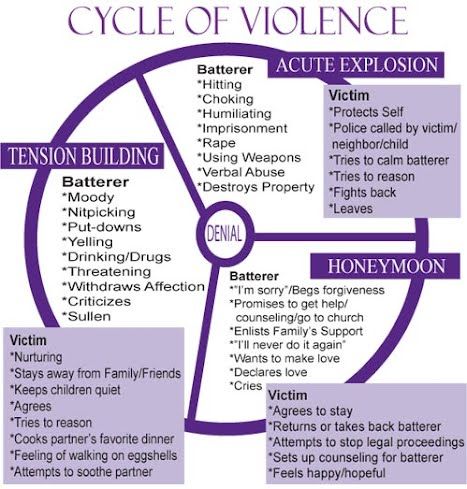
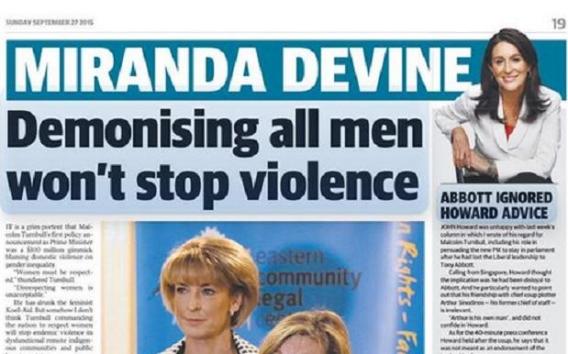
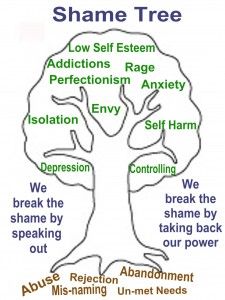
Miranda Devine shamed and stigmatised female survivors of domestic violence in her last article titled ‘Demonising men won’t stop domestic violence’. There’s already enough blame heaped on victims by our society and by the perpetrators themselves. The main feeling that victims of DV describe is shame.

Shame damages self esteem, creates hurdles to seeking help and keeps women suffering in silence – overwhelmed by powerlessness. Shame can be a symptom of post-traumatic stress and victims can feel embarrassed. Perpetrators can use shame to disempower and keep control over their victims.

512583d95fd331bafe803b196741f360

If your culture places great emphasis on finding a companion and starting a family then the shame of enduring intimate partner violence is heightened. Victims can see themselves as failures in not upholding the thing that they strive for: the family unit.

When counselling clients that have survived domestic violence I am mindful of the effects of shame. We need to understand victims of domestic violence not shame them.

a39eb83cda86f6785a03df776bacc4ec

We need to understand that victims can feel trapped and isolated in their own home. Often they can’t leave because of economic reasons, possible homelessness, cuts to women’s shelters, protecting their children or the fear of reprisal.

Miranda shows staggering ignorance towards the complexities of leaving a DV relationship. It isn’t simple. A third of women will continue to experience violence even once they have ended the relationship.

Leaving can be the most dangerous time for a woman. It can be the time when a woman is most often killed.

DV affects all economic levels, incomes, race and employment statuses. Miranda said that domestic violence was a crime of poverty and quoted the lower rates of reported domestic violence in more affluent areas of Sydney compared to remote communities. Yes there are higher reported rates of DV in remote communities than in metropolitan areas of all classes, however it’s intentionally misleading not to explain the complexities of under-reporting domestic violence.


index

We know DV does occurs more frequently than reported than in the affluent suburbs of Sydney and across all our cities.

Research shows that middle class victims are less likely to seek refuges or report violence. Some can afford to leave without contacting the authorities for help because they have greater economic means. The prospect of losing everything and having one’s high status torn down keeps some victims suffering in silence.

Less than half of all victims of domestic violence actually report it to the police.

Married victims, older victims and those with less serious injuries are less likely to report incidences. Others possibly grew up in a home witnessing domestic violence and are repeating unconscious generational patterns. We will never know the actual stats of how many women are DV victims because of the culture of blame, shame and secrecy that obscures this horrific crime.


c3f3cefeb56045b7eaefeb7e310175ef

For violence against women to end and for the under reporting to stop, society has to completely renounce it. Victims, perpetrators, workers in the police and legal system need to hear loud and clear that violence against women is a crime and it won’t be tolerated.

If you have experienced domestic violence and would like to seek help you can contact me here for confidential counselling.

Sexual Mistakes to Avoid

Here’s some of  the most common mistakes people make when making love and how to avoid them.

article-1173803-04B01512000005DC-602_468x354

Same old routine

Get in bed. I do this. You do this. I put this there. Orgasm. End. Yawn!

Routines lead to sexual boredom. Experiment. Mix up the order. Sex isn’t a linear journey from A to B, especially for women. Surprising your partner with oral sex and a quickie in the kitchen is as valuable as a slow, teasing session with lots of long, deep kisses where all the clothes stay on for a delightfully long time.

Get out of the bedroom and get off the bed! Try different places around the house, sexy times outside, different times of day or sexy weekend getaways.


3877_unhappy_couple

Tit for Tat

Sex isn’t about keeping score. Avoid: “well, I did this to you, now you do that to me.” You could spend an entire loving session where you pleasure her and she lies back and loses her mind. She could start giving you a long sexy massage that eventually moves to the inner thighs and caresses the genitals… Play and have fun!

Not giving feedback

Your partner isn’t a mind reader. They don’t know if the pressure of their hand or tongue is working for you unless you tell them. If you’re afraid to say, “yes like that …I love that”, or “harder… softer… slower…” try using appreciative noises like “ahhhhh.”

Learned helplessness in the bedroom can be overcome by owning your pleasure. Take your partners hand and show them how you like to be touched or show them how you do it yourself. If you have a specific fantasy for something you have to ask for it!

Critical Sex Judge

Only voicing up during sex when you don’t like something is a turn off. Give feedback through positives rather than being a condemning judge. Don’t critique your partner’s body, genitals, erection, sexual functioning or compare them to an ex!

Over correcting doesn’t create a supportive place to surrender to pleasure. For every critical comment try to provide three positive points. Try, “I love how you use your tongue and hands, but please no teeth. You look so sexy when you…”


2be-old-bored-couple-pix

Owning Your Pleasure

Our lover doesn’t “give” us an orgasm, we are responsible for our own orgasms. If we don’t know how to orgasm on our own then we are setting up a huge challenge for our partner. Be in touch with your body, know how to bring yourself to orgasm and what works for you. Grab a mirror and have a look at your genitals. Get acquainted with your body.

Post Coital Silence

“I loved it when you…” Debriefing after the heat of the moment when you’re high on bonding hormones can bring long term improvements. Pillow talk what worked for you so your partner knows for next time. I’m not encouraging an entire performance review! A few words before sleep can make a difference.


2425D72A00000578-0-image-a-47_1421606689972

Faking Orgasm

Focus more on the journey than the ending. Be authentic and honest. Try, “I might be too tired to orgasm but I’m still keen for some loving!”

Embracing Vulnerability


57d96a34216cbb26ca5f47341fa91640

“Vulnerability sounds like truth and feels like courage…..
And, without question, putting ourselves out there means there’s a far greater risk of feeling hurt. But as I look back on my own life and what da

ring greatly has meant to me, I can honestly say that nothing is as uncomfortable, dangerous, and hurtful as believing that I’m standing on the outside of my life looking in and wondering what it would be like if I had the courage to show up and let myself be seen.”

Brene Brown

Our vulnerability is a strength not a weakness. Embracing our vulnerability opens us up to creativity and our deeper emotions. Vulernability is the key to intimacy in relationships and genuine connection.

Vulnerability is having the courage to be yourself.

Shutting down your ability to be vulnerable out of fear is counter productive. Putting up a wall around yourself, your heart and disconnecting yourself from others takes you down the path of avoidance and alienation. This “shutting down” can become a stagnating habit and be detrimental to your close relationships.

Acknowledging that you’ve been hurt in the past is the first step. Bringing that experience out of the shadows into the light robs it of its power.

You are not your past or what happened to you.

2015-10-09-1444352851-2487899-9ec728a58ec3afc8b9ffc658e7e349d5-thumb

Understanding that our fears are rooted in our unhealed past illuminates the staggering power they can have over our present relationships. These fears can paralyse and hamper relationships  years later. Remember you are not the person you once were. You have learned lessons and moved forward.

If being vulnerable when we were younger only meant pain and suffering then we might hide this part of us and bury it down. In relationships we might misinterpret any tiny little thing as a betrayal of trust and overreact in a wild tempest. Or we might only sometimes make the effort to connect from behind a very strongly erected wall that keeps people at bay.


 We might think that locking people out can keep us safe from being hurt but this robs us of any positive and loving experiences and keeps us trapped. We must be gentle with ourselves when we feel like this so that we can deal with it in a emotionally mature and gentle manner. Please get in touch with me if you want to learn how to change these coping mechanisms.

Embracing our own vulnerability in a relationship is about acknowledging that nothing in life is certain but believing you have the ability to cope with whatever the outcome. Being human is about vulnerability!  It’s also about remembering not to bring past baggage into the present and working at it.

c1e4bcbf1da577ee80f9bd8efbdb46c4

When it comes to sex- vulnerability is the ultimate aphrodisiac..  When you open yourself up to your lover the intimacy can fly off the scale!  This doesn’t mean you have to tell your partner your whole life story- you can still have your boundaries. It means you are real, honest and authentic. No pretenses. No lies. It also means being radically honest in casual sexual relations. Not lying about your intentions or relationship status is a good way to start.

Brown calls vulnerability the glue that keeps relationships together. It’s about letting go of the shame that is holding us back, learning to trust ourselves and reconnecting with joy.

True intimacy in a relationship requires us to be vulnerable.

If you would like to learn how to cope with blocks to vulnerability and intimacy so that you can welcome a new relationship into your life or transform an existing one, please get in touch via this link today.


Self Love for Valentines Day

Celebrate love on Valentines Day by loving yourself! Being single on Valentine’s Day is no reason to miss out on sensuality and love! Humans are sexual beings and pleasure is our birthright.

Pleasuring your body is the ultimate act of self love. Indulge yourself and treat yourself to something special. Set aside some time to pamper yourself in a ceremony of self loving. Construct a sensual atmosphere. What gets you in the mood? What music do you choose? What scents will you use? What delightfully indulgent and wicked senses will you explore? Perhaps some dark chocolate or a ripe, juicy mango? A warm bath by candlelight?

Self pleasure enhances your neural pathways to improve your self esteem and confidence. Self pleasuring can teach you more about your body, how to have better orgasms or how to delay orgasms. Regular ejaculation for men helps keep the prostate gland healthy. Masturbation can help women with pre-menstrual symptoms and allow them to discover how to ejaculate, how to have multiple orgasms and where their ‘hot spots’ are located. Self pleasuring floods your body with endorphins, helps with depression, relieves headaches and unleashes your erotic potential!

Explore new places, positions and new ways to touch yourself. Try a toy or new lube amd focus more on the feelings than the orgasm. Don’t worry if you don’t orgasm; see this as an exercise in pleasure.

For those who have shut themselves off to pleasure or love it’s important to open up your mind and your body to sensuality, passion and creativity again. Try using self pleasure to appreciate and honour your own uniqueness, beauty and sexual gifts. Revel in the creative pleasure of life! This ecstasy can help clean away mental blocks that might contain negative beliefs about yourself.

Sexual pleasure has such potential for healing. Think of a positive statement you can repeat to yourself when your pleasuring draws to a conclusion. It could be gratitude for your physical body, letting go of shame or guilt, embracing compassion and forgiveness, or allowing yourself to let go of the past and move forward. Perhaps simply acknowledging that you are a sexual being with needs and desires is a good start.

Working with your sexuality can be a powerful path to self-improvement because you tune in to the deepest and most primal part of your pleasure-seeking unconscious. Freud recognised this as our strongest motivating force and saw that it (subconsciously) controls many of our day-to-day actions. However Freud wasn’t the first to discover the pleasure principle. Tantric texts also discuss this sexual energy and emphasise its incredible healing capacity.

Regardless of your relationship status, you always have the capacity to give yourself pleasure. And how you treat yourself, your body and your sexuality inevitably influences your relationships.

Try writing yourself a love letter. Include five things you truly love about yourself, things you have to offer in a potential relationship and what you’re looking to invite into your life from this Valentine’s Day.

Happy pleasuring!

How to rock NYE single!

Enough of the nausea inducing articles entitled; Surviving New Years Single!Theyre enough to make anyone a nervous wreck. If you are single, enjoy and relish it! Think of all the people you know in unhappy relationships and dont pressure yourself to have the perfect New Years Eve. The holiday is not an indication of how 2016 will pan out.


If you do want to embrace
hooking upover the holidays, heres some tips about how to do it healthily.

Be honest and dont play games. 

No Strings sex should NOT mean lying, rudeness or hurting people. Everyone has different expectations around hooking up. Some people hope it will become a relationship, others want a one-night stand. Dating rules are so blurred that being clear about what youre looking for from the onset is essential so people dont get hurt. Dont treat someone as anything less than a friend because theyre hooking up with you. Dont ignore someone the next day. Politely tell them youre not keen for more rather than hope theyll get the message.

Sex isnt something you score, take from someone or use for revenge. Its freely given and whether for only one night or one year- people deserve respect.

Honestly, what do you want?

Dont fall for the potential of people, what they could becomeor how you could change them.Focus on your end goal. Do you want to be married with kids? Do you want to only have friends with benefits? Where would you like to be in two years? If the answer is a committed and serious relationship then settling for people only interested in one-night stands or casual flings isnt going to get you closer to your goal. Its going to stop you meeting the right people whilst you waste time on the wrong people who want different things.

Similarly, dont lead people on who want a relationship with you when you only want a fling.

Be honest with your Intentions

You dont need to indulge in hook ups to be sexually liberated. You can be just as liberated if you only want to have sex in a long-term monogamous relationship. Feeling pressured to engage in activities because of some societal idea or peer pressure isnt what meaningful sex and connection is about. A lot of men and women hate one-night stands and hook ups and thats ok. Dont compare yourself to what your friends are doing. Their needs are very different to yours.

screenshot-from-2013-11-23-223019

Are you using hooking upas a shield to protect yourself from becoming vulnerable and experiencing true intimacy? Examine your reasons for hooking up with a new person. Is it because you genuinely feel in a good space to explore or are you trying to complete a need or lacking within yourself?

If you dont think you will cope if the hook up doesnt lead to a relationship then dont do it. If you know youll be okay if nothing comes of it and it doesn’t contradict your morals or ethics then go for it.

Today is Intersex Awareness Day

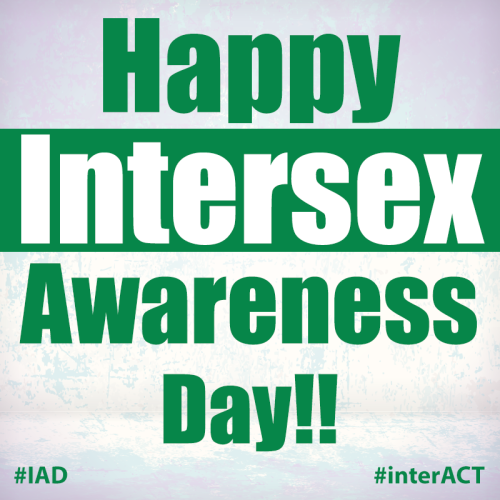
Today is Intersex Awareness Day!
The word “Intersex” describes a person who doesn’t fit the typical and binary definition of male or female.

1 in 2,000 people are born intersex.

Intersex conditions are natural variations of the internal and external sexual anatomy. Intersex is a physiological state – not a sexual or gender identity.

Intersex is different to transgender. Transgender is about your gender identity, however intersex  is about your biological characteristics.

Doctors often perform “normalizing” surgery on intersex people without medical reasons. Often surgery is performed on babies or children for “appearance reasons” and the parents are told to raise their child as the sex that has been assigned to them. This can lead to confusion and mental health issues as intersex individuals grow up not feeling “right.”

Imagine the confusion and trauma from finding out that a procedure without your consent was performed on you as a child.
“For most of my life, I haven’t felt in control of my body. But what I can control is how people perceive this condition and my relationship with it. And I want to say that this is my body. And my story. Let me decide what’s to be done with it.”
—Intersex Youth, 17

Most intersex advocacy groups strongly oppose irreversible genital “normalizing” surgery at infancy. This surgery often has no safety or health reasoning but is done to four to five babies every day. Our society’s binary view  of sex is is behind  these surgeries however gender is a broad continuum and it’s really hard to draw a line somewhere neatly in the middle.

In 1965, psychologist John Money started the medical procedures of “normalising” intersex childrens genitals and encouraging the parents not to tell their children.  It’s only through the campaigning of intersex advocacy groups and Intersex adults who were forced to undergo such procedures, that Doctors are finally admitting they were wrong. Groups are campaigning to stop the secrecy, shame and unwanted genital surgeries for people born with anatomy that someone decided is not standard male or female.

The Intersex Society of North America has learned from talking to Intersex individuals and their families that;

Check out this great resource by an Amercian group of Intersex Youths. The group focusses on giving Intersex youths their voices back.

Below are some informative videos to watch and share to help raise awareness about Intersex conditions… Happy watching!

http://aisdsd.org/

http://www.accordalliance.org/

TESTOSTERONE in MEN MYTHS


It’s the one hormone that the media fixates on. It’s held responsible for all sorts of behaviours, actions, drives and deviances. Results are misinterpreted and misunderstood and used as excuses for stupid actions.

Can one hormone truly be accountable for such a vast amount of bad behaviour?

There are quality control issues with a lot of the research out there. Testosterone is higher in men in the morning by about 20 to 30 per cent and that’s when the samples should

be taken but often they’re not. Morning testing is the only way samples can be representative or comparable to other studies. Some studies show that testosterone is lowest in Summer but a lot of the studies don’t take these seasonal variations into account. This leads to flawed studies and a flawed understanding of this hormone.

Testosterone is a tiny molecule and in such small concentrations in our body so it makes sense that there are such problems with measuring it consistently in the population. All these inaccuracies and biases in the research mean we must be on our toes when critically analyzing the impact it has on people’s actions.

Does weight lifting increase Testosterone?


Strength training can have a temporary effect on our endocrine system but no changes have been found in people involved in long-term training.

Overtraining can stress the body and actually reduce testosterone levels.

Is Testosterone linked to more sex?


Androgens as a whole are very important when it comes to male sexuality, however testosterone is only one link in a chain of biological mechanisms.

Research shows that Testosterone levels in men don’t have any link to the amount of sexual activity except for increased amounts of masturbation. In heterosexual couples where the men were given high doses of Testosterone there was no change in sexual activity in the relationship, just an increased sexual awareness. The only thing that consistently influenced the amount of sex was the relationship itself, not administering hormones. The amount of sleep and stress, medication, health and depression also have a big impact on the amount of sex.

In some cases Testosterone therapy has helped the sex drive for men but the long term risks of testosterone replacement are not known. It will be quite a few years before we know the consequences.
It’s not all black and white when we’re talking about this hormone. For some men they may have a very low libido and tests show they have Testosterone levels within the normal range. Whereas other men have consistent sexual desire at pretty low testosterone levels.

Is sexual aggression linked to testosterone?


Analysing the current research, we cannot conclude that higher testosterone levels mean there will be more chances of sexual aggression. There are studies following men with very low testosterone levels who also have aggressive sexual criminal behaviour towards women. When given testosterone supplements their aggression towards women disappeared.

We can’t overlook social, cultural and environmental factors when looking at criminal sexual behaviour and we can’t use hormones as a scapegoat for aggression.

Nature v.s Nurture


It can be very dangerous and inaccurate to merge results from research about how hormones interact with our physical and psychological selves to then leaping into making new definitions that justify things that happen in society. Our sexuality is a complex tapestry intertwined with our culture, upbringing, personal beliefs and so much more.


Using male testosterone as a explanative factor of typically “masculine” or even violent behavior among boys and men is a fraught line of argument.

Just measuring testosterone levels in people accurately is difficult task, aligning certain characteristics with the hormone is even more so.

Why bottling up your emotions is bad for your health

New research shows the negative consequences of  bottling up our emotions. If your partner has done something to really upset you and you bottle it up-you are much more likely to be aggressive.
  If you’ve had a bad day at work and you suppress your emotions you can come home and take it out on your partner.
 Even Freud talked about this…


Another study shows that suppressing emotions can take years off your life. This study asked participants questions such as “I try to be pleasant so that others won’t get upset” and “When I’m angry I let people know.”


When the survey was repeated ten years later it was found that premature death rates are the highest amongst those that bottle up their emotions. 
Researchers guess this causes early deaths– perhaps because people use drugs, smoking, drinking or over eating as coping mechanisms for their suppressed emotions.  Perhaps the stress of bottling up emotions disrupts hormonal balances leading to illness and damage to the immune system.

Suppressing our emotions can shut down and close our partners out. We might not mean to do it or even want to do it but it could be a learned behaviour from our parents or our own attempts to avoid conflict. Sometimes we can’t cope or deal with an emotionally painful scenario because of we are paralysed by fear.

We can bury emotions down deep inside where they “rot.” This “fermentation” can seriously harm relationships and cause resentment.

“Buying peace” at any cost creates deep unhappiness. 
Swallowing down our hurt, bubbles up later in negative ways and manifests itself;

  • in low self esteem
  • unconsciously hurting and punishing our partner
  • internalising our pain so it turns into self destructive behaviour
  • venting about your partner
  • losing patience for your partner at little things etc.

We can try to avoid feeling our emotions through;

  • denial
  • compulsive behaviour such as over eating/working or sexual activity or drug abuse
  • addiction to pornography/intimacy avoidance
  • keeping excessively busy as a defence mechanism etc.

We use  many unhealthy techniques to help us repress our feelings. Learning to identify these emotions and releasing them can help improve and enhance our relationships. 


We can reverse emotional suppression.

I’ve helped many couples adopt new, healthy emotional communication styles. Telling our partner how we feel emotionally can open the gates of communication and help us feel more grounded. Learning how not to run away from our emotions and numb out the pain can force us to step out of the victim role and into a place of self responsibility.

I teach clients to identify how we feel. Ask yourself; What do I feel right now? Write the answer in a journal. Notice what tension you are feeling in your body when you feel certain emotions. Rather than rushing for the junk food/wine/cigarette or your own individual crux, notice the feeling in your body and the source of the emotion and work on that instead.

Try telling your partner, “I feel hurt because….” rather than bottling it all up can help start opening up the cork on your emotional bottle.

Come see me for confidential, open minded therapy to learn more techniques to improve your health and your relationships.


Cat O Dowd


Relationship Counsellor- Sex Therapist- Art Therapist

Role Play for great sex

Imagine you’re being interviewed for a job as a personal assistant in a big office. Now pretend your lover is the boss. They close the door. They walk very close to you as they walk back to their chair and you feel giddy. You suddenly want to do anything to please them; whatever it takes. They need you to work back very long hours under their strict eye. You must relinquish all control and do everything they say. His or her eyes trail down your body. You will have to do a lot more than just filing and you feel your heart rate increase and your face flush with excitement.


Sexy role play helps to liven up sex, heighten intimacy, increase confidence and to drop our inhibitions.


Role play goes straight to the biggest sexual organ in our body- our brain. Our mind needs to be stimulated and silenced at the same time for great sex. It’s this delicate balance that role play games can bring about.
This fact is why Viagra can fail so many couples.
 Viagra only increases blood flow to the genitals and sex is much more than engorged genitalia. Disgruntled wives returned to Doctors complaining hubby demanded sex because he had an instant Viagra raging erection but it didn’t solve any of their broader relationship problems. Viagra didn’t touch their minds.


Getting in the mood for great sex starts with connection, seduction, anticipation, wanting, flirting, teasing, communication, atmosphere, fun, foreplay, imagination and intimacy.

Role play fantasy scenarios invigorate our imagination and lead to very creative love making where we can play out another aspect of ourselves.

Clothes can stay on. It can start with just words.. Once clothes eventually come off you can be so aroused that your body image worries fade away. 
Roleplaying can lead to a greater build up of sexual tension and desire and help you break out of the formulaic—“you do this, then I do this” sex. Boring and uninspired sex can stagnate a relationship.

Try this role play with your partner.

Who wants to play boss and who wants to play secretary? Notice who gravitates naturally to each role.

What is it about this fantasy or one of your own that appeals to you?

Does the idea of being in control and being the boss or being the dutiful, willing and eager junior turn you on?


You could set up a desk and dress in office clothes and re-enact it at home. Perhaps you could arrange to meet in a crowded cafe for the “interview.” You both have to stay in character the whole time. A public area means you can’t touch each other until you get home thus increasing the sexual

anticipation.

Don’t worry about whether your role play is PC or not. As long as our fantasies are negotiated and consensual then try not to over think them.

As children we played “pretend” games and we lose touch with that make believe world as we grow up. Don’t let go of that fertile land of the active imagination. A couple that plays together stays together. Stay consensual, respectful and debrief. There’s tonnes more I could say about this but I’ll leave that to our sessions!

Get in touch if you’d like to learn more or if you want to bring the va va voom back into your relationship.